
The Day Is Gone: 100 Years of the New Objectivity
Mönchsberg
Curator: Marijana Schneider
Curatorial Assistance: Magdalena Zilcher
Curatorial idea and concept by Noam Gal for the Tel Aviv Museum of Art.
Mönchsberg
Curator: Marijana Schneider
Curatorial Assistance: Magdalena Zilcher
Curatorial idea and concept by Noam Gal for the Tel Aviv Museum of Art.
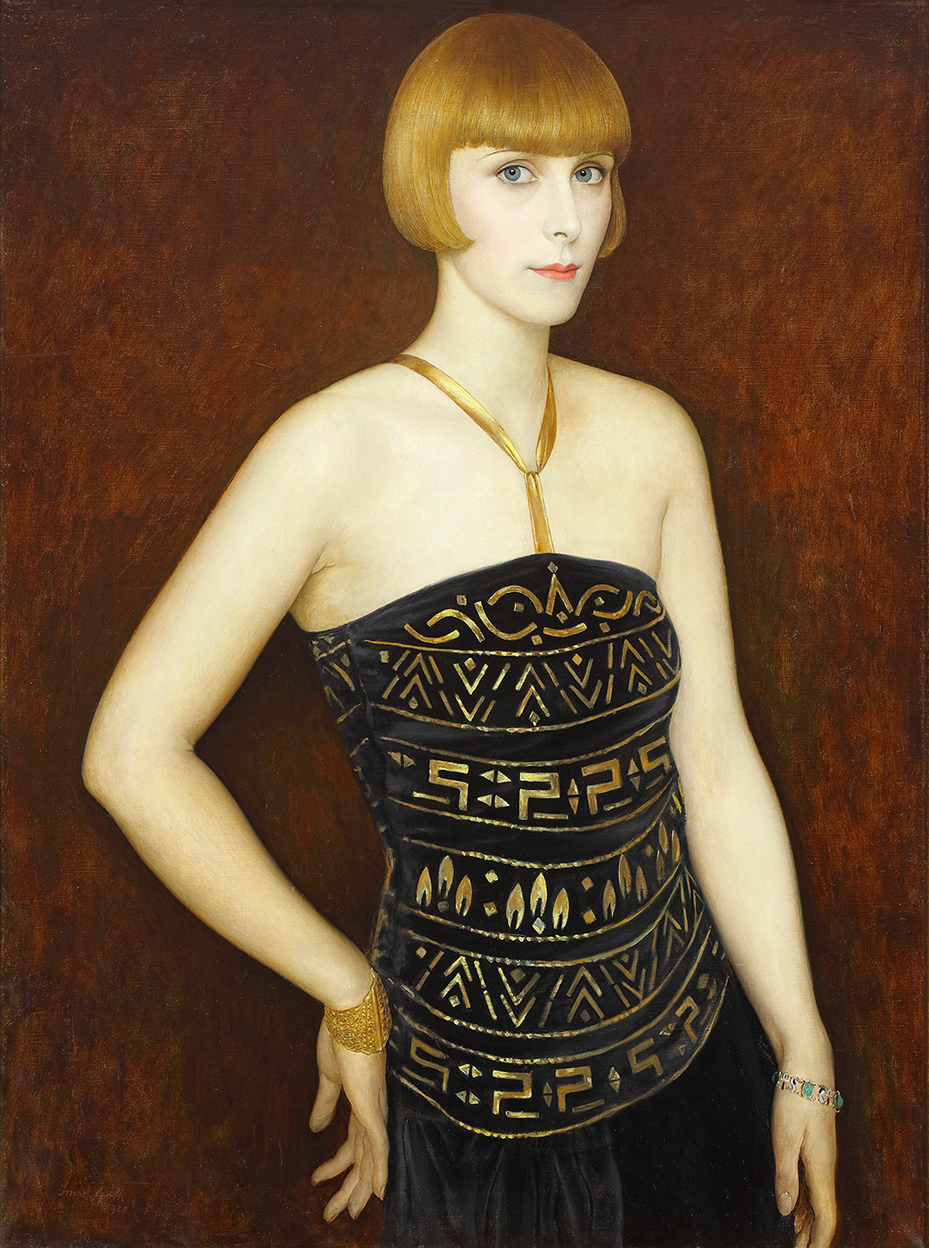
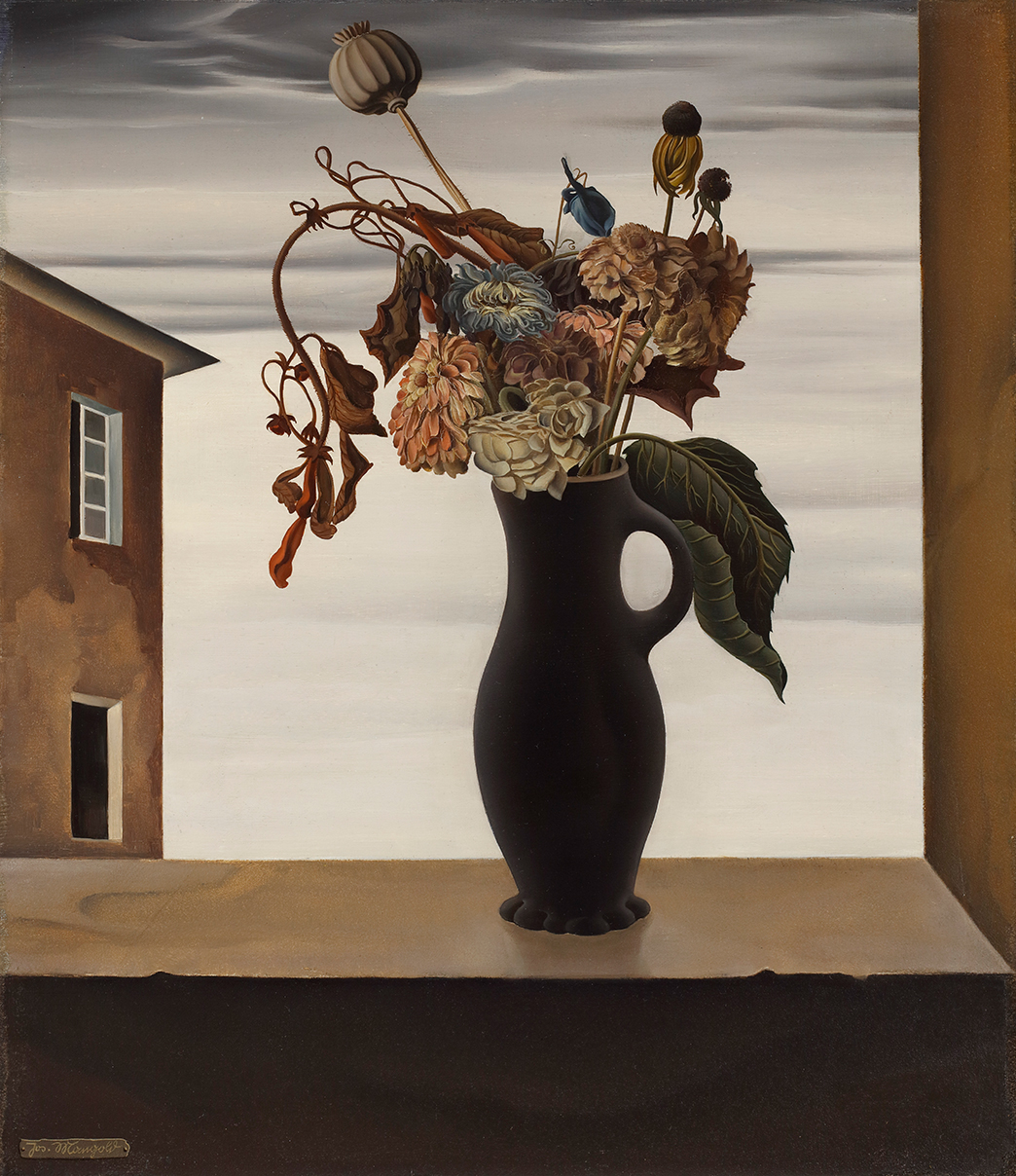
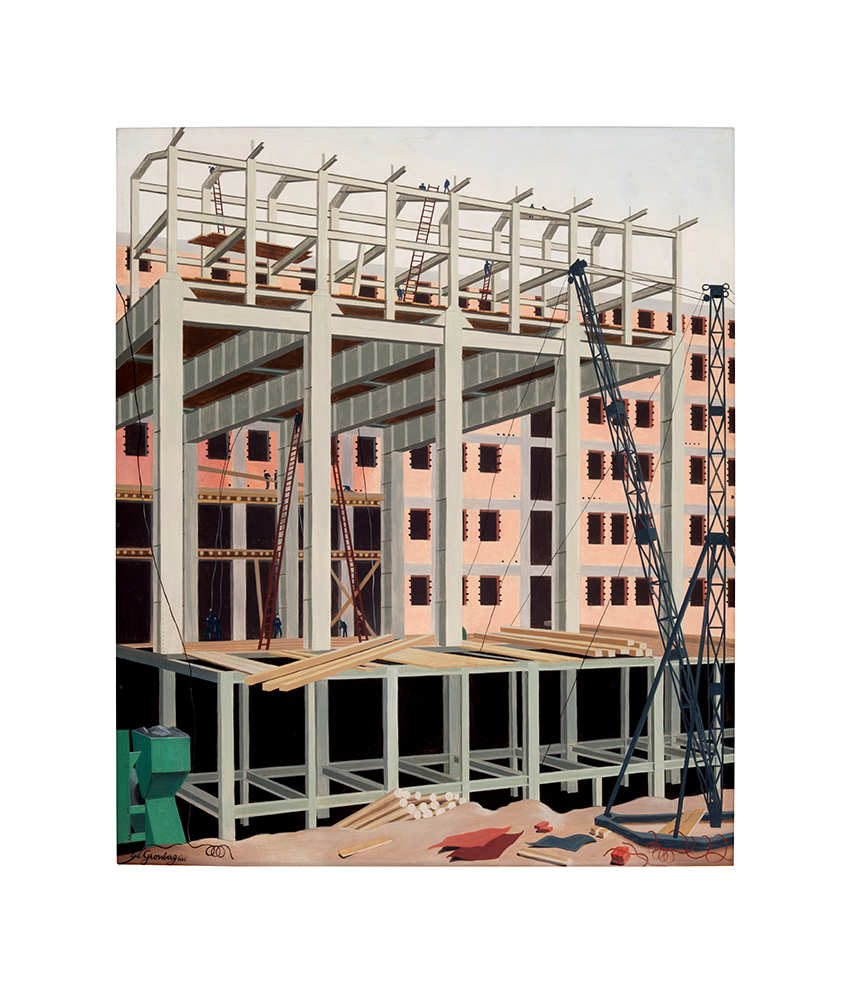
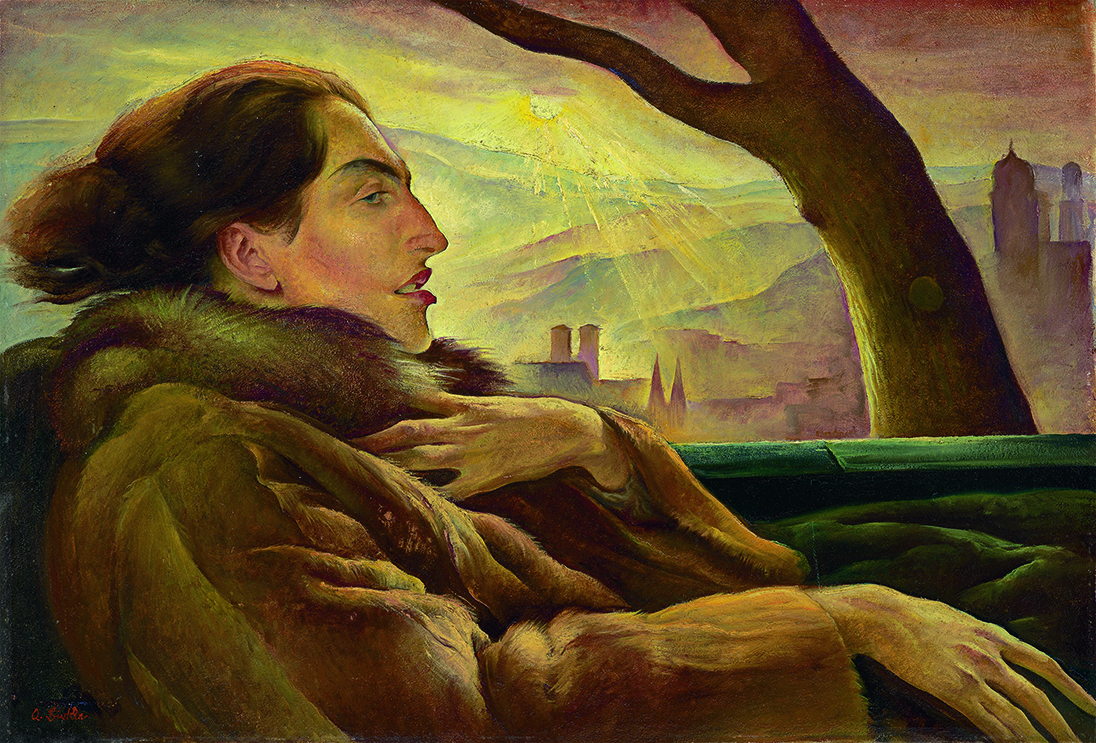
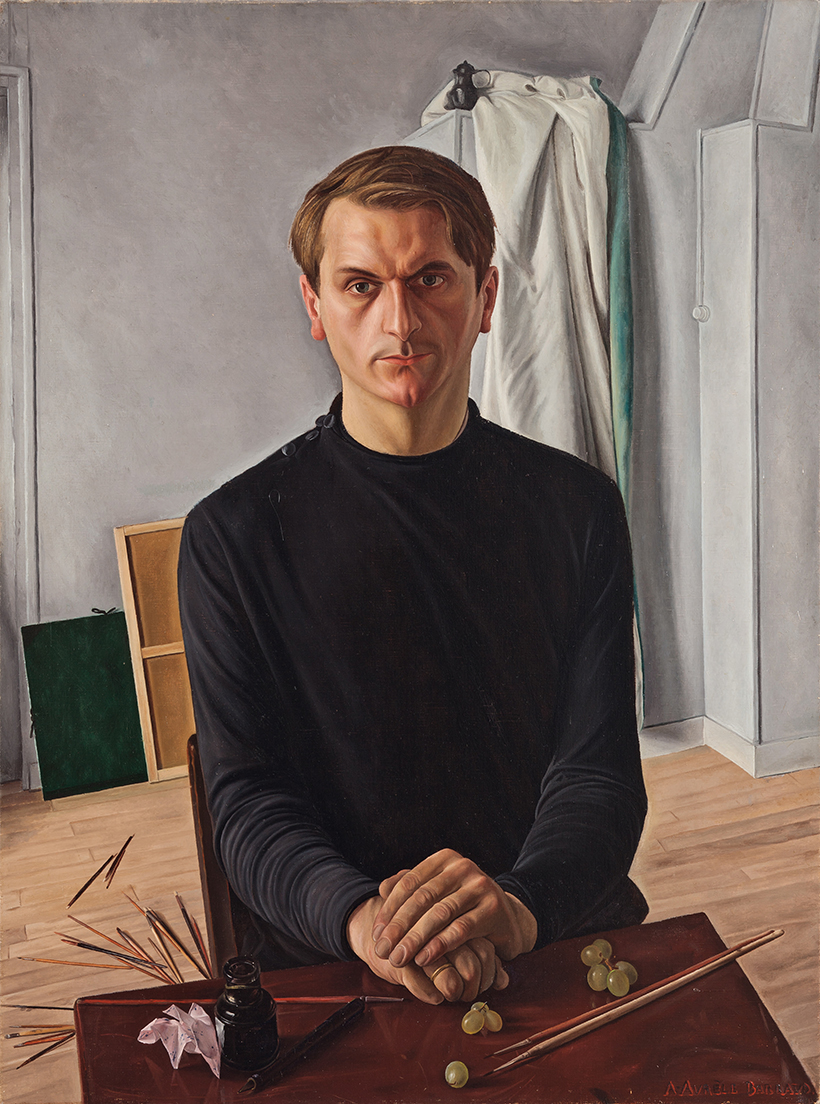
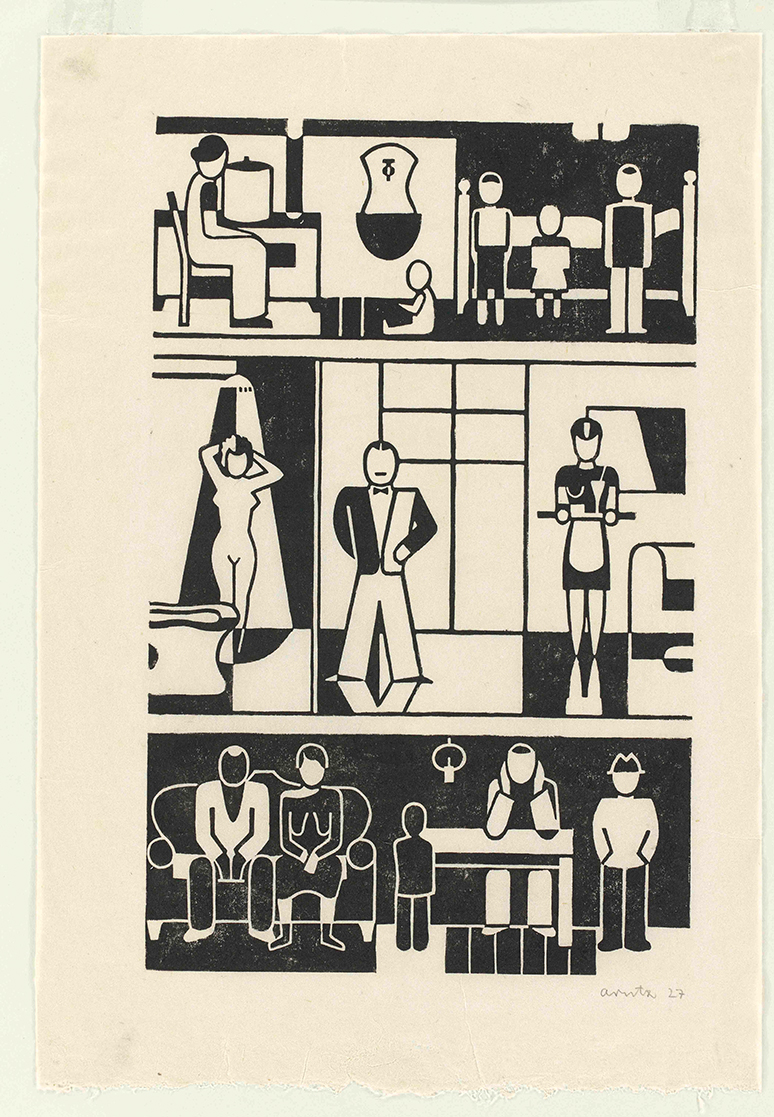
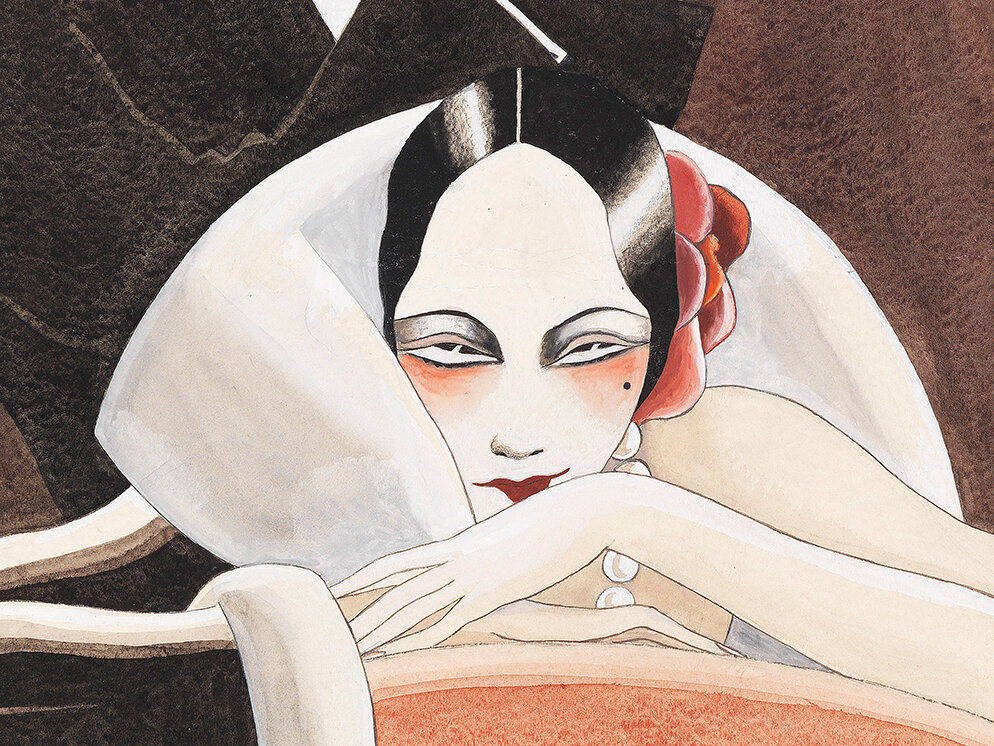
Between the 1920s and 1930s, this exhibition of works in the style of the New Objectivity takes visitors from the artist's studio into the streets of the vibrant metropolis, to the theatre, and finally into the night. Paintings, works on paper, photographs, and sculptures tell of social change, identity, gender roles, experiences of crisis, and of questions that have lost none of their urgency today.
A Defining Style
The New Objectivity gave rise to a visual language of unique precision. A hundred years later, it has lost none of its impact. The works shown in the exhibition appear strikingly contemporary. The artists of the New Objectivity focused their gaze on the visible world. Spurning expressive gestures, they opted instead for clear contours, keenly observed details, and the reality of their time, which they rendered with often almost merciless accuracy. Their figures became archetypes of a society in transformation.
An Era of New Beginnings
The 1920s and 1930s were loud, dazzling, and full of contradictions. After World War I and the demise of the old order, a new and pluralistic society emerged that offered unprecedented freedoms: faster trains and automobiles changed the pace of life, the cinema brought pictures from Hollywood to Europe, and cabarets and nightclubs featured unwonted forms of entertainment. Meanwhile, poverty, political violence, and the lasting impact of the war remained a reality. It was this tension between the euphoric embrace of progress and a constant sense of crisis that gave rise to the visual language of the New Objectivity.
Participating Artists
Based on the Jan E. Fischer Private Collection and complemented by loans from Austrian collections, the works on display present the New Objectivity not as a unified style, but as a multivocal movement with a range of artistic positions and perspectives. With works by Albert Birkle, Dodo, Elde Steeg (Elfriede Stegemeyer), Lotte Laserstein, George Grosz, Otto Dix, Christian Schad, Rudolf Schlichter, and many others.
A publication accompanies the exhibition.
Exhibition events
Exhibition events