
Irma Rafaela Toledo. Painting as Freedom Unfolding
Old Town (Rupertinum)
Kuratorin: Tina Teufel
Old Town (Rupertinum)
Kuratorin: Tina Teufel
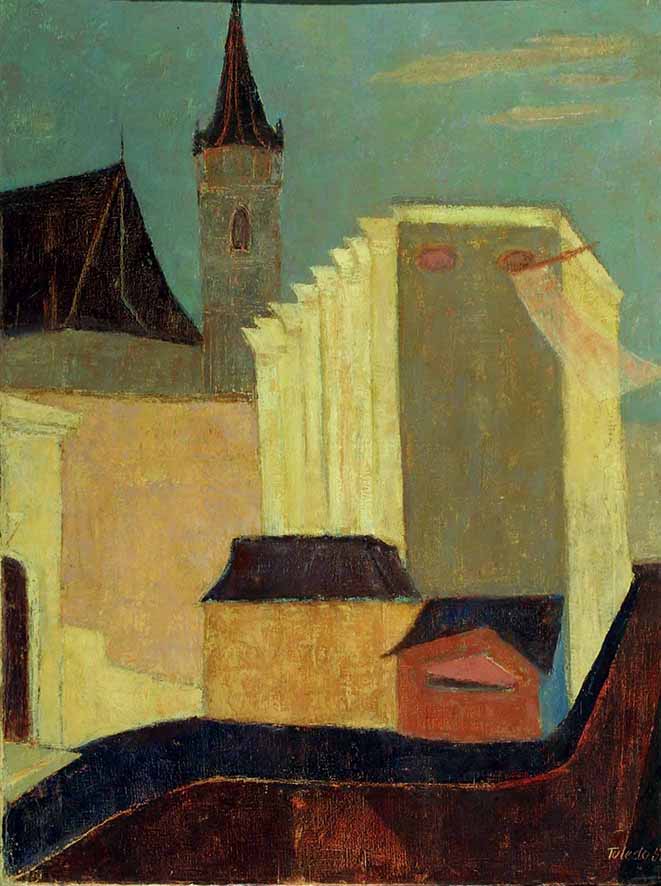
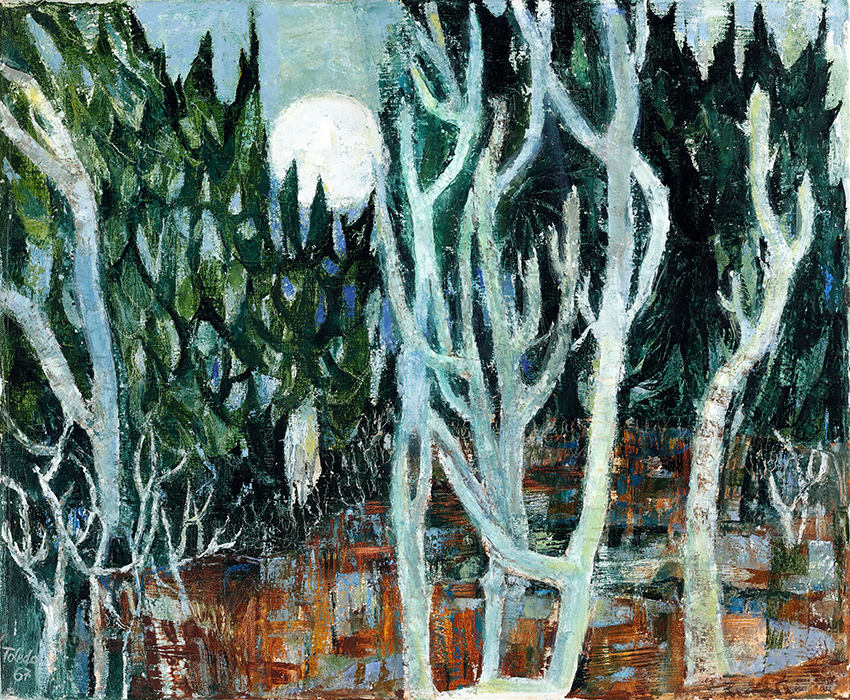
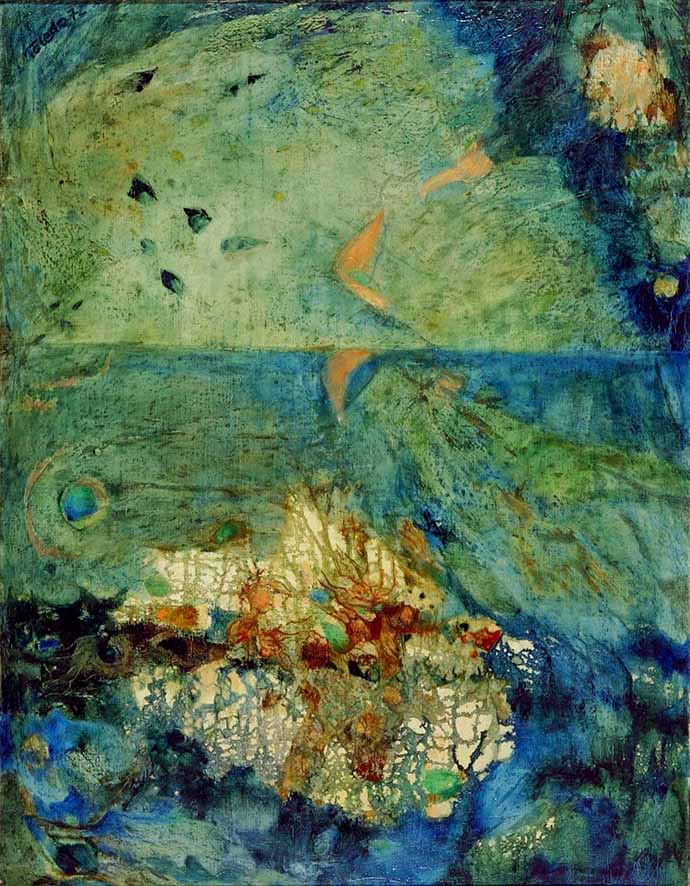
Irma Rafaela Toledo did not fulfill her wish to work as a painter until after the Second World War. Born into a Jewish merchant family, she survived by hiding in the mountains near Salzburg during the last two years of the war. Working with limited means, she produced her first paintings from 1945 onward. In a nod to a nickname from her youth, she eventually adopted the artist's name "Toledo." She was born Irma Friedman in Laufen, Germany, in 1910, and died in Salzburg in 2002.
Paths to Her Own Visual Language
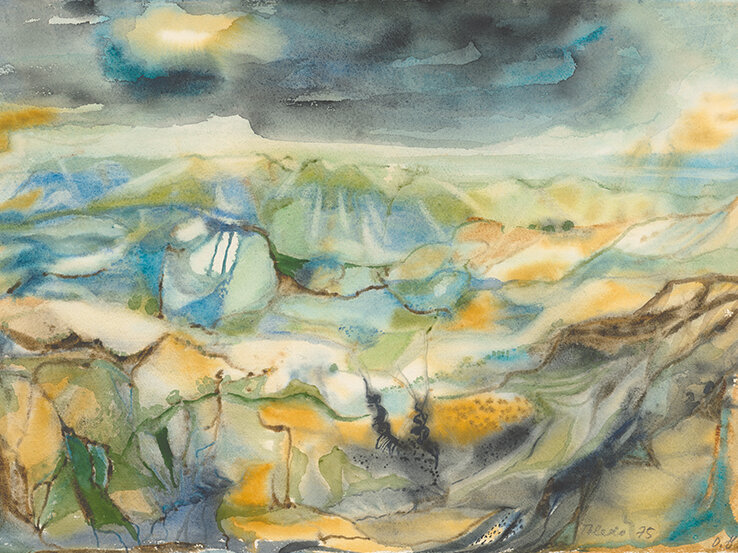
Irma Rafaela Toledo soon established herself as a painter and, in 1952, became a member of the "Salzburg Group" — an association of local artists whose members included, among others, Herbert Breiter, Trude Engelsberger-Drioli, Agnes Muthspiel, and Slavi Soucek. Especially in her early paintings, it is clearly evident how Toledo developed her own style within this sphere of influence. Throughout her life, she understood painting as a means of expression and a path to insight. Travels, including to Italy and to Israel, where her brother had emigrated, provided impulses for her work. She was especially moved by the solitude and silence she found both by the sea and in the desert.
A Comprehensive Body of Work
In this exhibition, the Museum der Moderne Salzburg presents, for the first time, more than twenty paintings, drawings, and prints by the Austrian artist. The show brings together works from the museum's own collections along with selected loans, presenting the full range of her output from the early 1950s through the 1970s: views of the city of Salzburg, landscape paintings, and still lifes, as well as works inspired by her intensive engagement with spirituality and religion.